

Ski Helmets: High Technology and Brain Protection
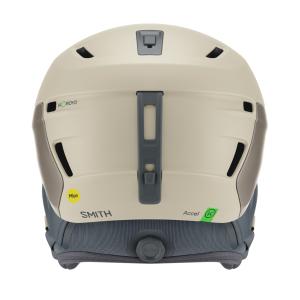
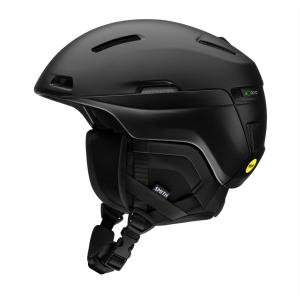
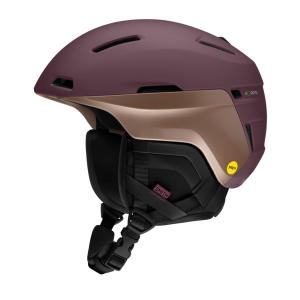
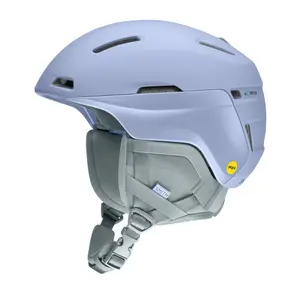
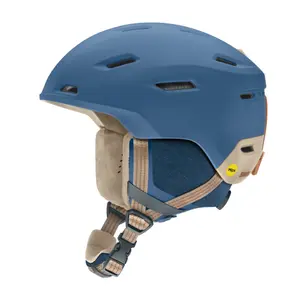
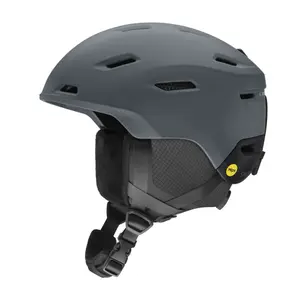
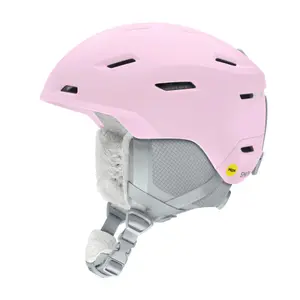
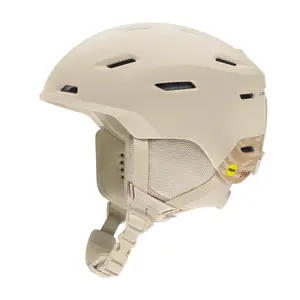
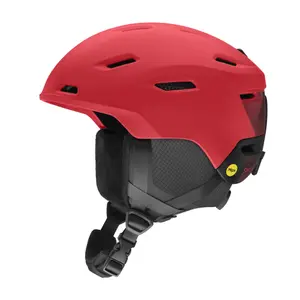
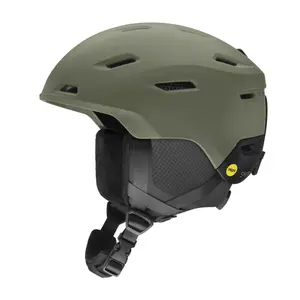
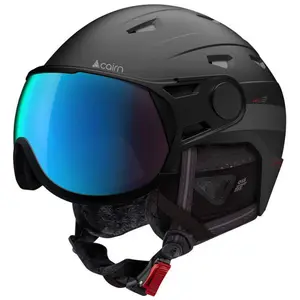

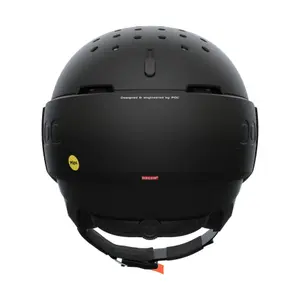
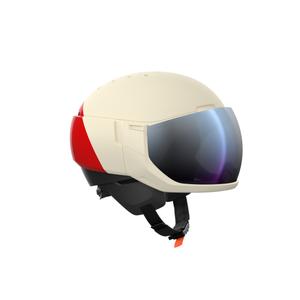
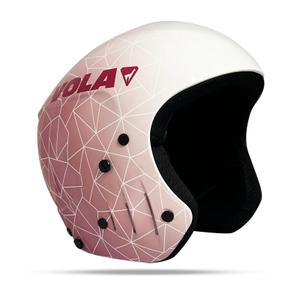
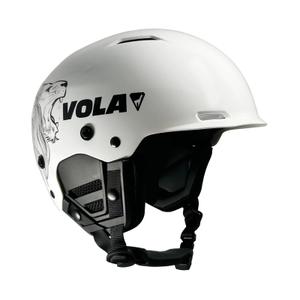
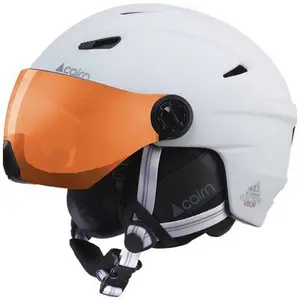
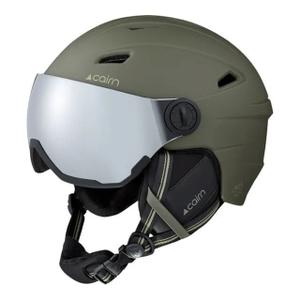
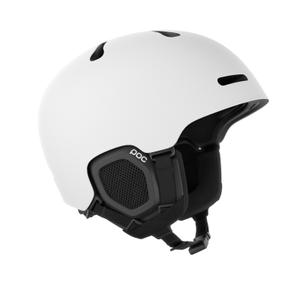
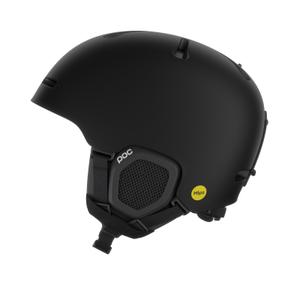
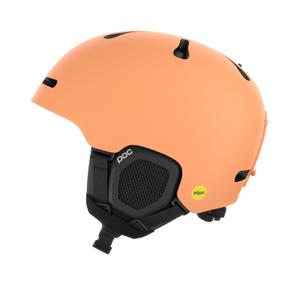
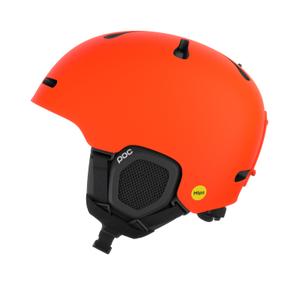
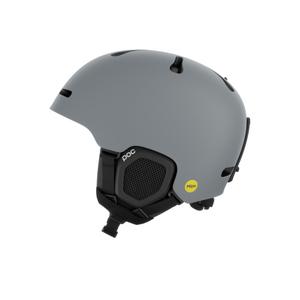
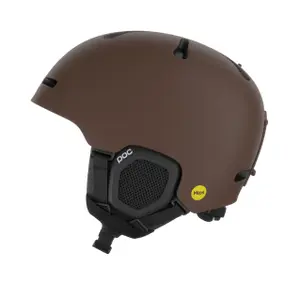
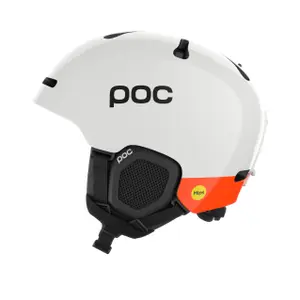
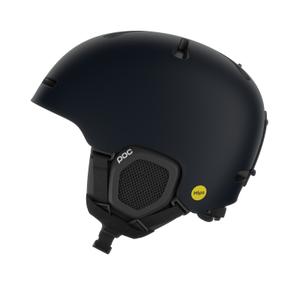
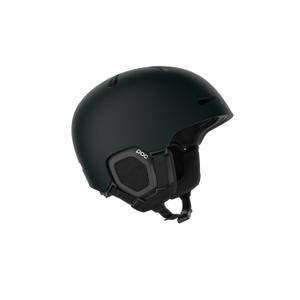
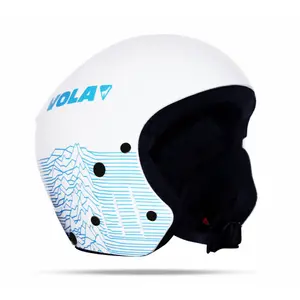
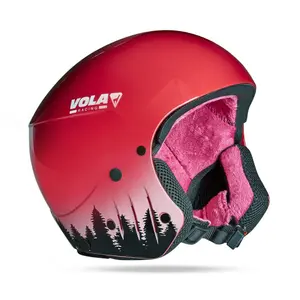
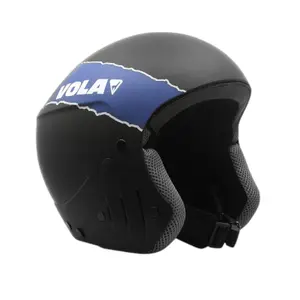
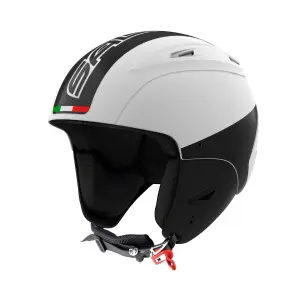
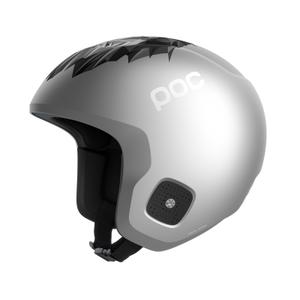
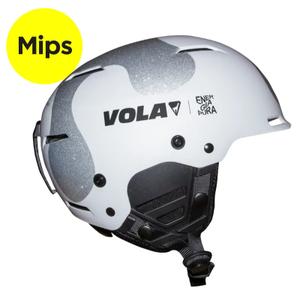
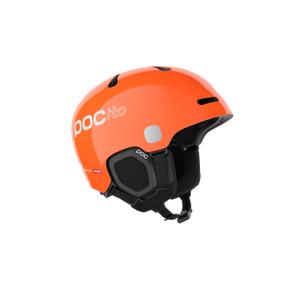
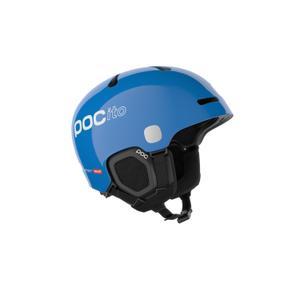
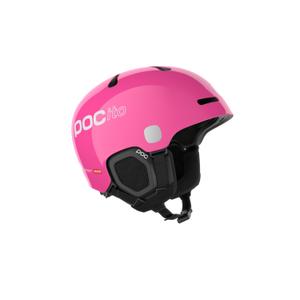
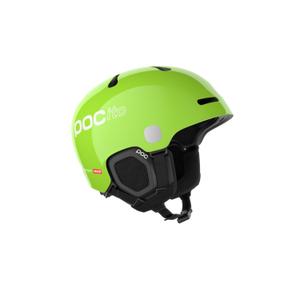
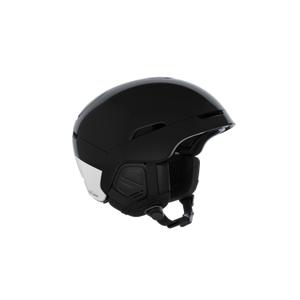
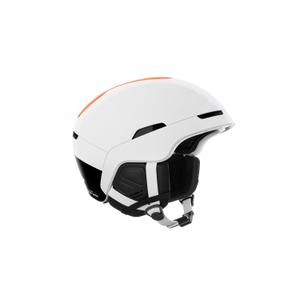
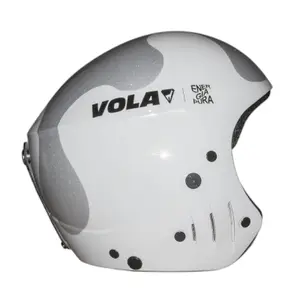
Your head is the control centre for your performance: protect it with top-notch security. Welcome to the Ski Helmet section of Winter-Expert, where style meets ballistic protection. Modern skiing involves more speed and density on the slopes, so wearing a helmet is no longer an option—it's a vital necessity. We've selected helmets featuring the latest advancements in energy absorption, such as MIPS® or SPIN technologies to counter rotational impacts. Whether you're looking for a helmet with an integrated visor to simplify your view, an ultra-light In-Mold model for touring, or a FIS-certified helmet for competition, our range ensures a perfect fit and active ventilation. At Winter-Expert, we don't just sell accessories; we provide real life insurance for riding with a free spirit.
The Winter-Expert Analysis: Why Your Helmet is More than Just a Hard Shell?
Passive safety has become a science. A modern ski helmet is a complex assembly of materials designed to dissipate kinetic energy before it reaches your brain. At Winter-expert, we reject products that do not meet the highest standards. We select our models based on their ability to handle two types of impacts: direct (linear) impact and oblique (rotational) impact, which is responsible for the majority of concussions.
Is wearing a helmet compulsory for skiing and snowboarding?
This is a recurring question on the slopes. In France, legally, wearing a helmet is not mandatory for adults, although ski schools (ESF) strongly require it for Kid. However, at Winter-expert, we consider this protection non-negotiable, regardless of your sliding equipment. Whether it’s alpine skiing or snowboarding, the risks of collision or edge faults on hard snow are the same. By the way, the certification standard is the same for both disciplines: the European standard EN 1077. A snowboard helmet protects exactly the same way as a ski helmet; only the aesthetics may change sometimes. Don't skimp on your safety just because of legislation: on the ice, your helmet is your only bumper.
The Technical Dilemma: Helmet with Visor or Separate Goggles?
The choice between a helmet with an integrated visor and the classic setup "Helmet + Goggles" depends on your search for comfort and vision:
- The Helmet with Integrated Visor: It's the "All-in-one" solution. Its major tactical advantage is comfort for glasses wearers (OTG). The visor offers a generous volume that allows you to keep your frames without pressure on your temples. Plus, it provides a panoramic field of vision and simplifies logistics (no fog between the goggles and the helmet).
- The Classic Helmet with Goggles: The choice of purists and freeriders. It allows you to position the lens closer to your face for a snug fit and offers the option to change goggles depending on brightness (bad weather or sunny lenses). It’s often the preferred option for a more aggressive and adaptable look.
How to Accurately Determine Your Helmet Size?
A helmet is effective only if it fits perfectly to your head. A helmet that’s too large will move upon impact, rendering it ineffective. To choose your size, measure your head circumference at the middle of your forehead with a tape measure (usually between 52 and 62 cm for an adult). Our models feature micrometric adjustment systems (dials or BOA®) to refine the fit.
The Winter-Expert Validation Test: Once the helmet is on and secured (chin strap open), shake your head from side to side. The helmet should not move a millimeter independently of your head. If it slides over your hair, it is too big. If it presses on your temples immediately, it is too small. Choose precision to ensure shock absorption.
Understanding Constructions: In-Mold, ABS or Hybrid?
The weight and durability of your helmet depend on its manufacturing method. We help you choose the structure suited to your commitment:
- In-Mold Construction: The outer shell is directly fused with the inner foam (EPS). The result: a lightweight helmet, ideal for All-Mountain skiing and touring where every gram counts.
- ABS (Hard Shell) Construction: A thick external shell separate from the foam. This is the robustness standard for Freestyle and repeated impacts.
- Hybrid Construction: The best of both worlds. An upper ABS shell for protection and an In-Mold lower part to save weight.
The MIPS Revolution and Managing Rotational Forces
Falls in skiing are rarely perfectly vertical. That’s why we highlight technologies like MIPS (Multi-directional Impact Protection System). This slip plane integrated within the helmet allows the shell to move slightly around the head during an oblique impact, thus absorbing the rotational forces that could damage the brain. It’s a safety investment that we highly recommend to all skiers.
Integrated Visor or Separate Goggles?
The helmet with a visor has become an essential solution for two types of skiers:
- Glasses wearers (OTG): The visor offers sufficient volume to keep their glasses without pressure.
- Simplicity lovers: No more fog, a panoramic field of vision, and no risk of losing goggles.
For purists, the classic helmet paired with independent goggles remains the standard for adapting the lens to changing light conditions.
The Perfect Fit: The Key to Effectiveness
A helmet, no matter how high-tech, is useless if it moves. To choose your size, measure your head circumference at the forehead level. Once in place, the helmet should not tilt when you shake your head, even with the chin strap open. Our models Cairn, Salomon, Poc, or Atomic feature micrometric adjustment dials (or BOA systems) to fine-tune the fit to the millimetre, ensuring your protection stays securely on your head in the event of an impact.